Uganda Bankers Association says Uganda’s plan to grow its economy tenfold by 2040 will only succeed through broad partnerships.
The bankers’ lobby argues that banks alone cannot deliver the vision and is calling for blended finance, innovative instruments and collaboration around agro-industrialisation, tourism, minerals, and science and technology.
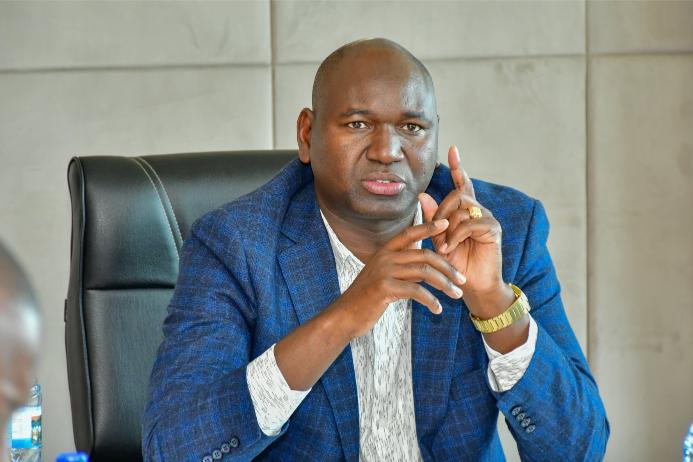
Speaking on Friday at the UBA Development Partners Dialogue, the association’s chairman, Julius Kakeeto, reminded stakeholders that government envisions a tenfold economic growth, expanding GDP from Sh6.45 trillion to Sh64.5 trillion by 2040.
The statement places the financial sector squarely within a long-term national development agenda that looks beyond short-term growth cycles.
According to UBA, the vision is anchored in what it describes as the ATMS sectors, agro-industrialisation, tourism, minerals, and science and technology.
These areas are seen as the core drivers that can lift productivity, expand exports, and create jobs at scale if supported by appropriate financing and policy frameworks.
Kakeeto told the dialogue that delivering such growth would demand a rethink of how development is financed.
He emphasised that achieving 10X growth requires collaboration beyond banks, with development partners, development finance institutions, and diplomatic missions.
The message underlined a recognition within the banking industry that commercial lenders alone cannot shoulder the scale of investment required.
The chairman argued that partnerships would be critical in designing “innovative financing vehicles, blended finance solutions, and long-term instruments to unlock Uganda’s potential.”
Blended finance, which combines public, private and concessional funding, has increasingly been promoted as a way to de-risk large projects in emerging markets and attract private capital into sectors that are vital but capital-intensive.
UBA’s intervention reflects a broader shift within Uganda’s banking industry towards positioning itself as an enabler of development rather than simply a provider of credit.
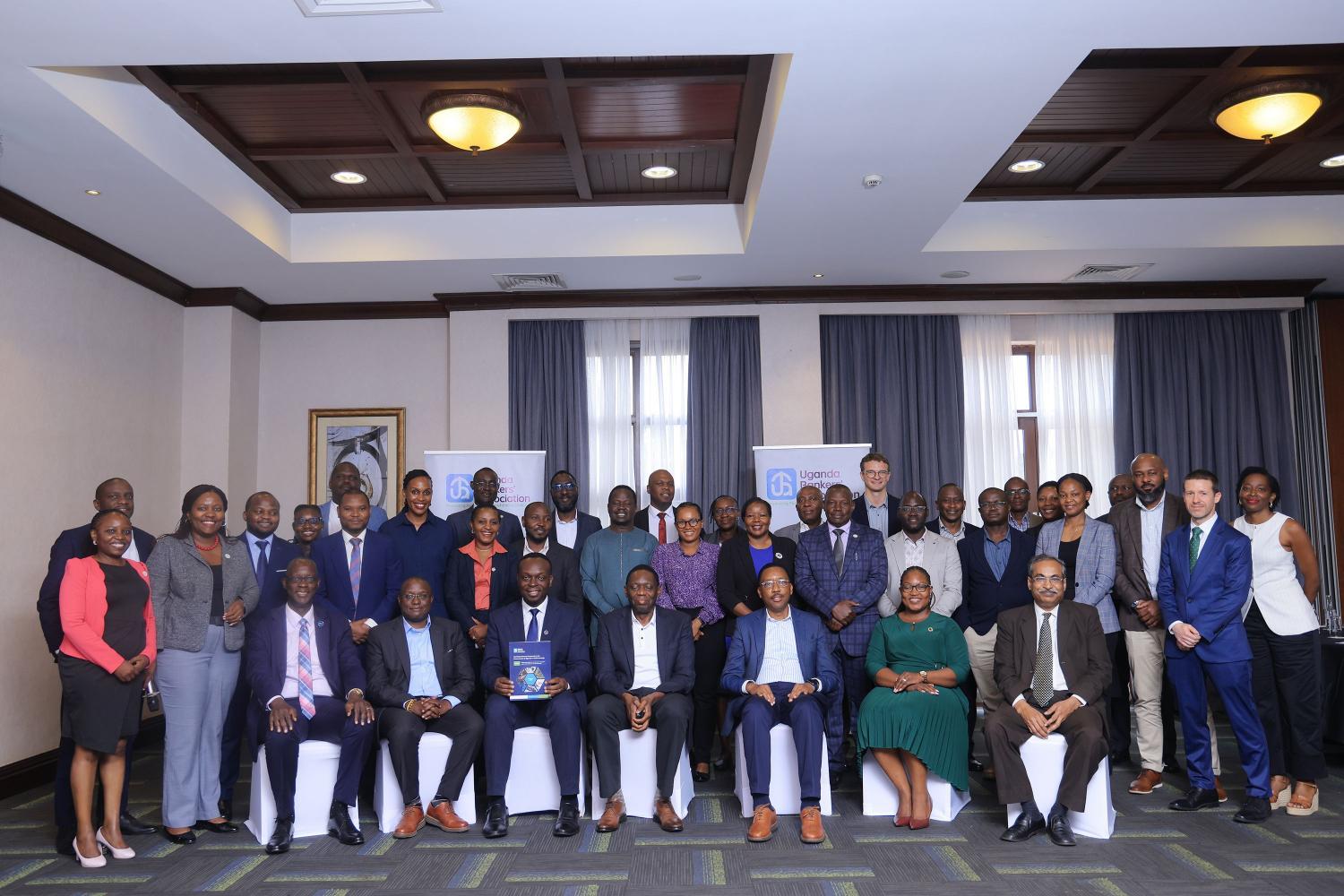
By convening development partners and diplomatic missions, the association signalled its intention to act as a bridge between national ambitions and global capital.
The ATMS framework highlighted at the dialogue points to sectors where Uganda already has significant endowments but where value addition has remained limited.
Agro-industrialisation is expected to move the country beyond raw agricultural exports, while tourism continues to be seen as a high-potential sector capable of generating foreign exchange and employment.
Minerals and science and technology are viewed as future growth frontiers that could reshape the structure of the economy if supported by sustained investment.
In its message, UBA stressed that collaboration would be essential to ensure financing structures match the long timelines associated with these sectors.
Long-term instruments, the association noted, are necessary to support projects whose returns may only materialise over many years, particularly in infrastructure, processing, and technology.
The call to action, UBA said, reflects the banking industry’s commitment to building a more innovative and resilient financial sector that drives inclusive growth for all Ugandans.
By linking innovation with resilience, the bankers’ lobby suggested that financial stability and development goals should advance together, rather than being treated as competing priorities.
The dialogue comes at a time when Uganda, like many developing economies, is grappling with how to finance growth while managing fiscal pressures and global economic uncertainty.
UBA’s message positions banks as willing partners in a national growth project, while also setting clear limits on what they can achieve without broader alliances.
By emphasising partnership, innovation and long-term thinking, the association’s remarks framed the tenfold growth target not simply as a government aspiration, but as a shared challenge for the financial sector, development partners and international stakeholders alike.